Recognizing the Hidden Dangers of Water Damages and Mold And Mildew Invasion
Introduction
Water damages and mold and mildew infestation are 2 of the most dangerous threats to our homes and health and wellness, typically lurking behind wall surfaces or under floorings, undetected up until it's too late. The effects of these issues can be devastating-- not just to your residential property however also to your wellness. From structural damages to respiratory difficulties, comprehending the concealed risks of water damages and mold infestation is essential for homeowners, tenants, and home supervisors alike. This article dives deep right into the multifaceted aspects of these risks, giving insights on avoidance, remediation, and catastrophe restoration.
What Is Water Damage?
Water damage refers to any injury triggered to a residential property because of the invasion of water. It can stem from different sources:
- Natural Catastrophes: Hefty rainfall, floods, or hurricanes.
- Plumbing Failures: Ruptured pipes or leaking faucets.
- Appliance Malfunctions: Broken dishwashers or washing machines.
- Roof Leaks: Harmed shingles or poor drainage systems.
Types of Water Damage
1. Clean Water Damage
This kind involves water that is devoid of contaminants. It normally comes from damaged pipelines or rainwater.
2. Grey Water Damage
This consists of water that may consist of some impurities however is not considered dangerous. Resources consist of washing maker overflow or sink backup.
3. Black Water Damage
This is very infected water that positions major health risks. Resources can include sewer backups or floodwaters.
Understanding Mold Infestation
Mold is a kind of fungi that thrives in damp environments. It duplicates by launching spores into the air, which can settle and expand on various surfaces.
Health Dangers Connected with Mold
Mold direct exposure can result in countless health issues:
- Respiratory Issues: Consisting of bronchial asthma attacks and various other pulmonary complications.
- Allergic Responses: Symptoms such as sneezing, itching eyes, and skin rashes.
- Toxic Impacts: Some mold and mildews produce mycotoxins that can cause severe health issues if consumed or inhaled.
How Does Water Damages Bring About Mold?
Water damages develops a suitable breeding place for mold spores. When dampness degrees are high-- as a result of leakages or flooding-- materials like timber, drywall, and rugs become susceptible to mold development within 24 to 48 hours.
The Mold Development Cycle
- Spore Release: Mold launches spores right into the air.
- Moisture Absorption: Surface areas soak up dampness from leaks.
- Growth Stage: Spores sprout in beneficial conditions.
- Reproduction: Mold and mildew colonies increase quickly otherwise addressed.
Signs of Water Damages in Your Home
Recognizing indications of water damages early can conserve you a lot of money and hassle down the line:
- Stains on wall surfaces or ceilings
- Musty odors
- Peeling paint or wallpaper
- Warping floors
- Increased humidity levels
Detecting Concealed Mold in Your Property
Even if you do not see noticeable signs of mold and mildew does not mean it's not there!
Techniques for Detection
- Visual Inspection
- Look for staining on walls or surfaces.
- Smell Test
- A musty odor typically suggests hidden mold.
- Moisture Meters
- These tools can aid recognize wet areas where mold might flourish.
- Professional Inspection
- Hiring specialists for thorough evaluations guarantees no location goes unchecked.
The Value of Very early Intervention
Addressing water damage immediately lessens potential mold development and conserves considerable time and money in remediation efforts later on on.
Steps for Early Intervention
- Identify the resource of the leak.
- Remove standing water quickly making use of pumps or wet vacuums.
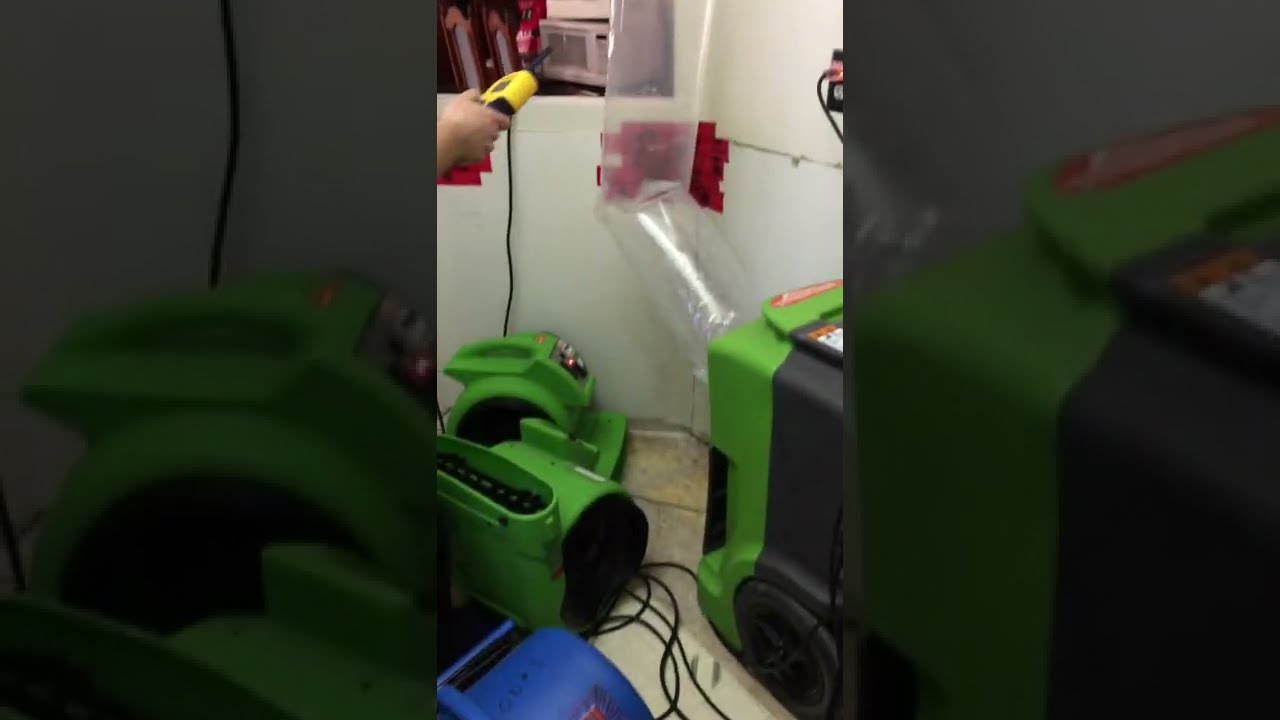
- Dry impacted locations with fans and dehumidifiers.
- Inspect for hidden moisture in wall surfaces and flooring.
Mold Remediation: What You Need to Know
Mold removal involves removing mold from a building and guaranteeing it does not return.
Key Steps in Mold and mildew Remediation
- Assessing the Area
- A thorough inspection assists figure out exactly how widespread the issue is.
- Containment
- Seal off influenced locations making use of plastic sheeting to stop spore spread during cleanup efforts.
- Air Filtration
- Use HEPA filters during clean-up procedures to record airborne spores effectively.
- Removal
- Dispose of materials like drywall or carpeting that have actually been extensively infected by mold.
- Cleaning & & Sanitizing
- Non-toxic remedies must be made use of for cleaning surfaces once noticeable mold has been removed.
- Restoration
- Repair any type of broken structures prior to they are reintroduced right into your living space.
DIY vs Expert Mold and mildew Removal: Which Is Right for You?
When confronted with a mold and mildew problem, you may question whether tackling it on your own is viable:
DIY Removal Considerations
Pros:
- Cost-effective option if it's small damage.
Cons:
- Risky if the problem is extra considerable than anticipated; improper handling might worsen health and wellness risks.
When To Call Professionals
If you come across significant contamination (greater than 10 square feet), relentless moisture problems, or health issues related to exposure-- think about hiring specialists who are learnt disaster restoration services for effective remediation.
FAQs regarding Water Damages and Mold Infestation
Q1: For how long does it take for mold to establish after water damage?
A: Mold can start growing within 24 hr after exposure to wetness; hence immediate action is crucial.Q2: Can I remove mold and mildew myself?
A: Small patches can be handled by house owners with proper safety precautions; nevertheless larger infestations ought to be managed by specialists because of health dangers involved.Q3: What are some usual misunderstandings about mold?
A: Many think that just repainting commercial flood cleanup Portland over affected locations will certainly address the trouble; however, this merely conceals it without addressing underlying issues.Q4: Just how do I understand if my home has actually hidden water damage?
Q5: Is all mold and mildew dangerous?
A: While not all mold and mildews position prompt threats (some are benign), particular types like black mold and mildew can cause extreme health and wellness complications.Q6: Just how much does specialist mold and mildew remediation cost?
A: Prices differ based upon seriousness but generally range in between $500-$6,000 depending upon level; insurance may cover some expenses.
Conclusion
Understanding the concealed threats of water damages and mold and mildew invasion gears up homeowners with understanding important for safeguarding their properties and liked ones' wellness from these pervasive threats. By recognizing very early indication, taking swift action during emergency situations, opting for expert help when required-- and most notably-- prioritizing preventive measures versus future incidents-- homeowners can substantially decrease their opportunities of experiencing major troubles connected to this duo menace!
In recap: 1) Constantly check your home atmosphere; 2) Invest time into regular inspections; 3) Don't be reluctant when something feels off-- your instinct may simply save you thousands!
With vigilance and aggressive approaches at hand-- one can navigate with challenges postured by both water damage remediation requires together with potential fungal invasions efficiently!